
NO TRIP FEE MEANS WE EARN YOUR BUSINESS
Plumbers In Lancaster, SC
Lancaster Plumbing Repair & Installation Services
For more than a decade, we’ve been the go-to plumbers right here in Lancaster, helping homeowners and businesses keep their systems running smoothly through South Carolina’s changing seasons. Our locally owned and family-operated team offers same-day service for most calls, so you don’t have to wait when a pipe springs a leak or a drain backs up. We serve neighborhoods along US 521, Highway 9 Bypass, Airport Road, and throughout the county, handling everything from emergency repairs and drain cleaning to water heater installs, sewer line work, gas lines, and full commercial jobs. No trip charges, and we always quote honest, upfront pricing you can count on.
Book Online Book OnlineWhy Us?
- Over 25 Years of Experience
- Licensed Bonded & Insured
- 100% Satisfaction Guaranteed
- Up-Front Pricing, 24/7 Emergency Service
- No Trip Charges for Plumbing
- Free On-Site Estimates

“ South End Plumbing did a great job solving our plumbing issues. They were able to get out to us to quote and start the job the same day, and when found additional issues, they communicated quickly and were very fair with the cost changes that needed to be approved. Highly recommend them! “
* Paul Branham
Our Services In Lancaster, SC
EMERGENCY / SAME-DAY PLUMBING
When a burst pipe floods your laundry room or the toilet won’t stop running late at night, our team responds quickly across Lancaster. We’ve seen how the Piedmont clay soil here can shift and stress older lines, especially in homes built before the big growth years. Whether it’s a sudden clog in a Walnut Creek kitchen or a leak in a newer Edgewater build, we arrive prepared with the right tools and years of local know-how to fix it right the first time and prevent repeat visits.
WATER HEATERS: TANK & TANKLESS
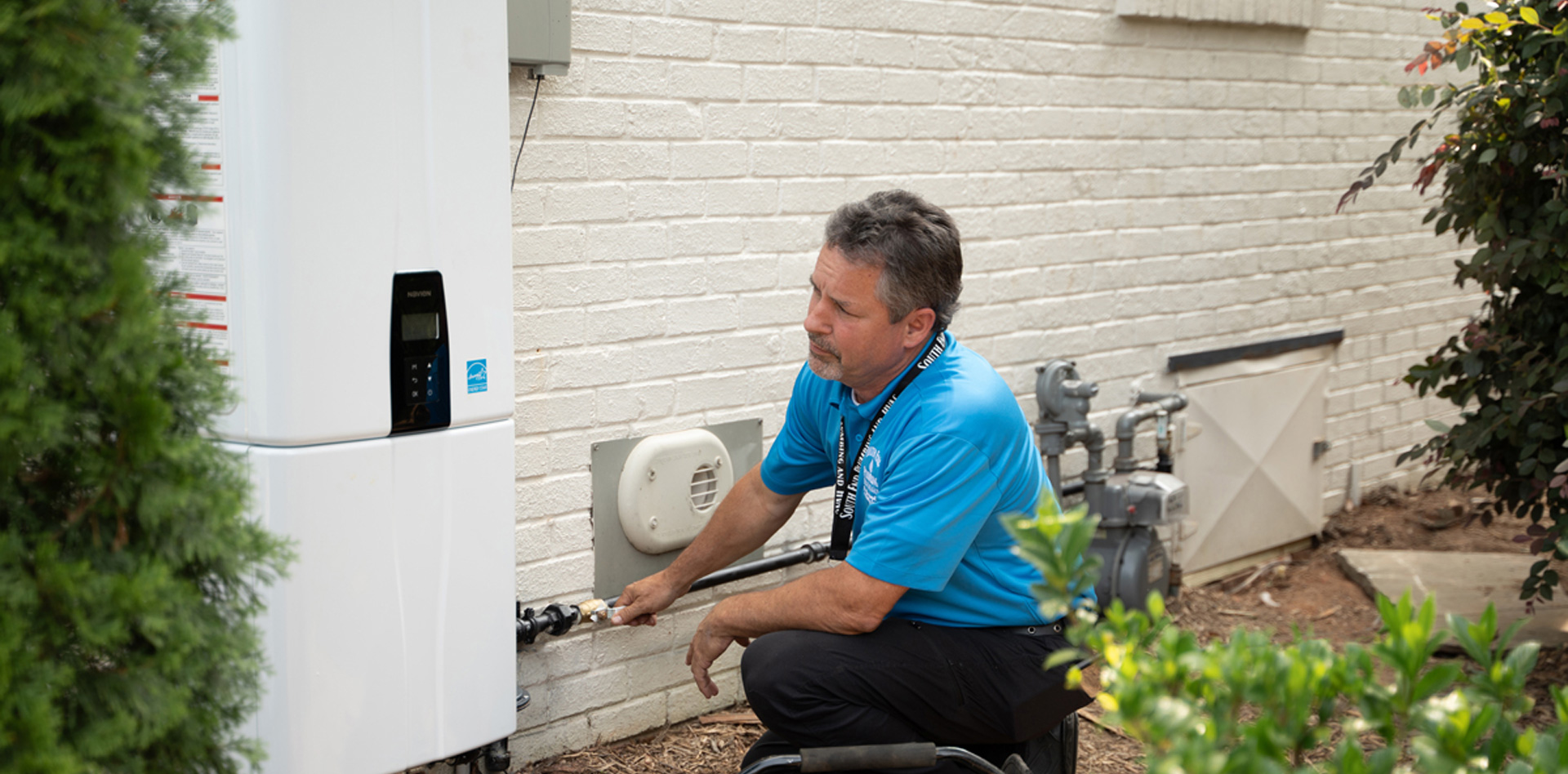
Lancaster homes deal with varying water quality and usage patterns, from busy families in Basildon Ranches to retirees in established areas. We install, repair, and replace both traditional tank units and efficient tankless systems that suit everything from compact historic cottages downtown to larger new construction. Our recommendations factor in local hard water and the demands of South Carolina summers, helping you avoid cold showers or unexpected breakdowns.
SEWER LINES: REPAIR & REPLACEMENT
Expansive clay soils and mature tree cover around town put extra pressure on underground sewer pipes, leading to cracks and offsets over time. In neighborhoods with older infrastructure, we often use trenchless methods to minimize yard disruption. We’ve handled plenty of jobs near Riverchase Estates and along corridors like Pageland Highway, restoring flow without turning your property into a construction zone.
PIPING & REPIPING
Many Lancaster properties mix original plumbing with modern additions, creating weak points where corrosion or poor connections show up. We repipe with durable materials built for our local conditions, whether you’re in a mid-century home near the historic district or a fresh build off Great Falls Highway. This work pays off in fewer leaks and better water pressure throughout the house.
WATER FILTRATION SYSTEMS
Looking to improve your water quality? We install and service whole home water filtration systems for homeowners in Lancaster, making your water drinkable and clean. Clear up black gunk on piping, high chlorine levels and smelly water situations.
DRAIN STOPPAGES & PLUGS
Grease, hair, and everyday buildup combine with root intrusion from the area’s lush trees to create stubborn blockages. We use professional equipment to clear lines thoroughly in spots like Millstone Creek or older sections closer to downtown. Regular maintenance makes a big difference here, keeping things flowing smoothly year-round.
GAS LINES: INSTALLATION & RUNS
Safe gas line installation, repair, and inspection are critical, especially with the mix of older and newer homes around Lancaster. Our licensed techs handle everything from appliance hookups to full line checks, paying close attention to local soil movement that can affect buried lines over the years.
LEAK DETECTION & REPAIR
Hidden leaks waste water and drive up bills, particularly tricky to spot in yards affected by clay expansion and contraction. We use advanced detection tools to find the source fast, whether it’s under a slab in a Sunny Hills ranch or in the walls of a downtown commercial space. Quick, precise repairs save you money and protect your foundation.
HYDRO JETTING
For tough, recurring clogs caused by years of buildup or invasive roots common in established Lancaster yards, hydro jetting blasts lines clean with high-pressure water. It’s a service we recommend for properties along tree-lined streets or in subdivisions with mature landscaping, restoring full flow without harsh chemicals.
GARBAGE DISPOSALS
Busy kitchens in family homes across College Place or Bent Creek put heavy demands on disposals. We repair, replace, and advise on proper use to avoid jams that strain your plumbing, especially with the local water conditions that can accelerate wear.
SINKS, TOILETS, & SHOWERS
From updating fixtures in a historic Lancaster Downtown home to installing modern low-flow options in new construction, we handle it all. These everyday items see heavy use, and small issues like dripping faucets or slow drains can turn into bigger headaches if ignored.
CAMERA PIPE INSPECTIONS
Before digging or committing to major work, we send cameras through your lines to give you a clear picture of what’s happening underground. This is especially useful in areas with older pipes or heavy tree cover, helping us pinpoint problems accurately and avoid unnecessary excavation.
Proudly Serving Lancaster Neighborhoods & Local Businesses
We take care of homes in Edgewater communities like Harbor Pointe, Lakeview Point, and The Pinery, plus Riverchase Estates, Walnut Creek, Basildon, Roselyn, Millstone Creek, Bent Creek, Forest Hills, Sunny Hills, College Place, and many more throughout the area.
On the commercial side, you’ll find us working at spots like Lancer Center on Highway 9 Bypass, Lancaster Square, and businesses near the Walmart and Belk anchors, along with offices, medical facilities, and retail along the main corridors.
Lancaster offers a nice mix of historic downtown properties, established neighborhoods with mature trees, and newer subdivisions popping up with modern builds. We understand the full range—from older craftsman-style homes to townhomes and busy commercial spaces—and tailor our approach to each property’s unique needs.
FAQ’s
Q. What signs point to a plumbing emergency in my Lancaster home?
A. Sudden flooding, sewage backups, or no water at all qualify as emergencies. Gas smells or major leaks also need immediate attention to prevent damage or safety risks. Call us right away—we’re set up for fast response across the area.
Q. How often should I have my drains professionally cleaned?
A. In many Lancaster homes with tree-lined lots or older plumbing, once a year is a good baseline, with more frequent service for heavy-use kitchens or bathrooms. This prevents small buildups from becoming major clogs.
Q. When does it make sense to replace a water heater instead of repairing it?
A. If your unit is over 10-12 years old, constantly needing fixes, or struggling with inconsistent hot water for your household size, replacement is usually smarter. We help pick the right tank or tankless model for your specific home and usage.
Q. How does Lancaster’s clay soil affect my underground pipes?
A. The soil’s expansion and contraction can shift lines, create cracks, and worsen root intrusion. Homes in subdivisions with newer installs or older downtown properties are both susceptible, so inspections are key during dry or wet extremes.
Q. What should I know about local water utilities and my plumbing?
A. The City of Lancaster and county water systems provide service to most areas. Sudden pressure changes or discolored water can signal issues in your lines—give us a call so we can check for problems on your side of the meter.
Q. Are there common issues with roots in newer Lancaster subdivisions?
A. Even in growing communities like those off Airport Road or near US 521, fast-growing trees planted for landscaping can reach pipes within a few years. Early camera checks help catch and address this before it escalates.
Common Plumbing Problems We See in Lancaster Homes
Plumbing challenges vary across Lancaster because of the blend of home ages, the Piedmont clay soils that expand and contract with weather, and the abundant mature tree cover in many areas.
1. Tree Root Intrusion in Sewer Lines
Roots from oaks and other local trees aggressively seek moisture in pipes, especially in older established neighborhoods and along roads with heavy canopy. This leads to blockages, slow drains, and eventual backups that can flood basements or yards. We see it often in properties with decades-old lines, and proactive camera inspections plus hydro jetting help keep things clear.
2. Pipe Shifts and Cracks from Clay Soil Movement
The expansive red clay common here swells when wet and shrinks during dry spells, stressing underground pipes and creating misalignments or leaks. Newer developments aren’t immune if the backfill wasn’t handled perfectly. This shows up as recurring low pressure or wet spots in the lawn, and we often recommend repiping sections with modern materials suited to our soil.
3. Aging Infrastructure Issues in Established Areas
Homes from earlier decades frequently have original clay or cast iron pipes that corrode over time, compounded by local water chemistry. This leads to pinhole leaks, reduced flow, or sudden failures during peak usage. Regular maintenance and targeted replacements make a huge difference in neighborhoods with that classic Lancaster character.
What Jason Driggers Says
“Big thanks to South End Plumbing! Our main sewer line was clogged and they came out to help. They worked very hard to get everything clear and did an awesome job. I will definitely call them again if we have any other problems!”