
Why Does My Toilet Overflow but Then Slowly Drain Back Down?
South End Plumbing Heating & Air Expert Tips
Why Does My Toilet Overflow but Then Slowly Drain Back Down?
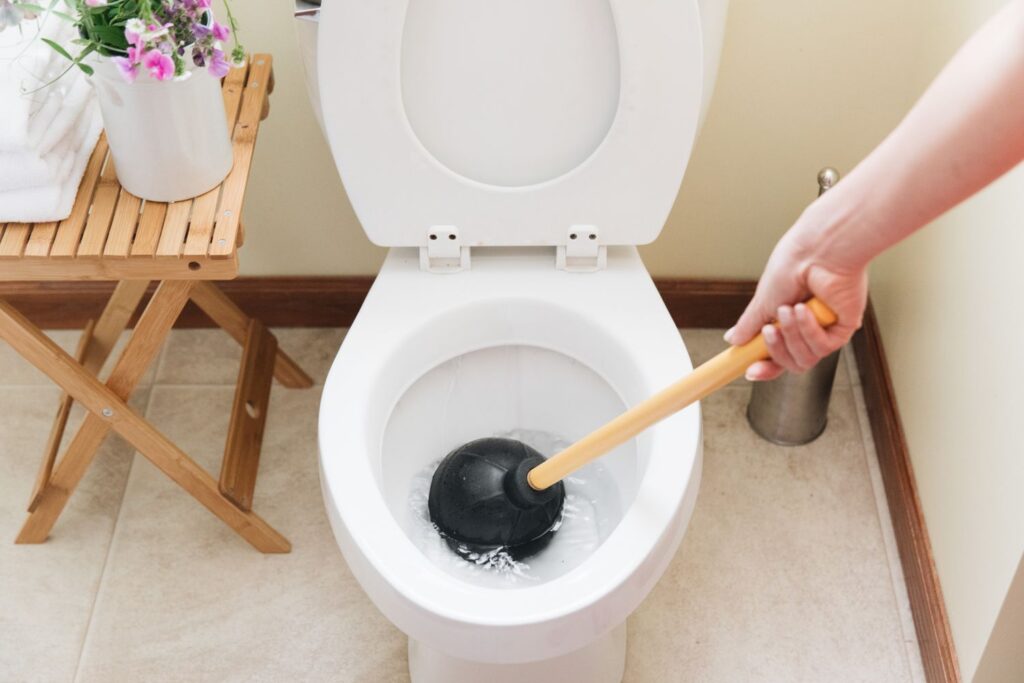
Few plumbing problems are more stressful than watching your toilet bowl rise toward the rim—only to slowly drain back down minutes later. While it may seem like the problem “fixed itself,” this type of toilet overflow is a clear warning sign of a developing blockage in your plumbing system.
If left unaddressed, the issue often gets worse and can lead to full backups, water damage, or sewage entering your home.
Below, we’ll explain why this happens, what it means, and when it’s time to call a professional plumber.
What Does It Mean When a Toilet Overflows Then Drains Slowly?
When a toilet overflows and then slowly goes back down, it usually means:
- Water is restricted, not fully blocked
- Pressure temporarily forces water up
- The clog shifts just enough to allow slow drainage
In other words, the problem isn’t gone—it’s progressing.
| What You’re Experiencing | Most Likely Cause |
|---|---|
| Toilet overflows, then slowly drains back down | Partial clog in toilet or branch drain |
| Overflow happens when flushing multiple times | Worsening drain line blockage |
| Toilet overflows when sink or shower is used | Shared drain or branch line clog |
| Gurgling sounds after flushing | Drain restriction or venting issue |
| Toilet backs up when washing machine drains | Partial main sewer line clog |
| Repeated overflows despite plunging | Deeper drain or sewer line blockage |
Most Common Causes of This Problem
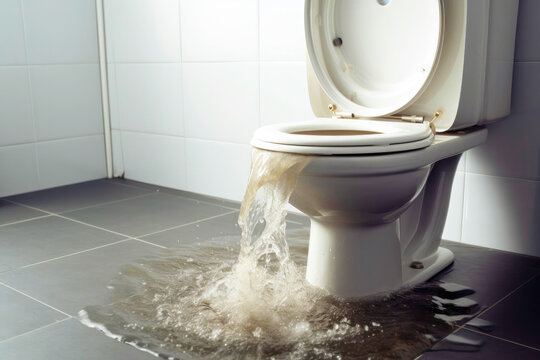
1. Partial Toilet or Drain Line Clog (Most Common)
A partial clog allows some water to pass but not fast enough.
Common causes include:
- Too much toilet paper
- “Flushable” wipes (which are not truly flushable)
- Feminine hygiene products
- Paper towels or tissues
These items can lodge in the toilet trap or just beyond it, causing water to rise before slowly draining.
2. Blockage Further Down the Drain Line
If the clog isn’t in the toilet itself, it may be in the branch drain line serving the bathroom.
Signs include:
- Slow draining after flushing
- Gurgling sounds from nearby drains
- Occasional overflow that seems inconsistent
These blockages often worsen over time as debris continues to collect.
3. Main Sewer Line Restriction
If the toilet overflows when:
- Another toilet is flushed
- A sink or shower is used
- The washing machine drains
You may be dealing with a partial main sewer line clog.
In Charlotte-area homes, common causes include:
- Tree root intrusion
- Grease and sludge buildup
- Older or deteriorating sewer pipes
This is a serious issue that should be addressed quickly.
4. Poor Venting or Airflow Issues
Your plumbing system relies on vent pipes to allow air in so wastewater can flow freely.
If a vent pipe is blocked by:
- Leaves or debris
- Bird or animal nests
It can cause:
- Slow draining toilets
- Gurgling sounds
- Temporary overflows that drain back down
While less common, venting problems can mimic drain clogs.
5. Septic System Problems (If Applicable)
For homes with septic systems, this symptom may indicate:
- A full septic tank
- Drain field saturation
- Early system failure
Multiple slow or backing-up fixtures are a strong warning sign.
Warning Signs the Problem Is Getting Worse
Don’t ignore these red flags:
- Toilet overflows happening more frequently
- Gurgling sounds after flushing
- Water backing up in tubs or showers
- Foul sewer odors
- Plunging works temporarily but not long-term
These signs often mean the clog is moving—or growing.
What You Can Try (Safely) Before Calling a Plumber
✔ Use a flange-style plunger
Ensure a tight seal and plunge firmly for 15–20 seconds.
✔ Stop flushing immediately after an overflow
Repeated flushing can force water out of the bowl and onto your floor.
✔ Check what’s being flushed
If wipes or excessive paper are involved, the issue is likely mechanical—not water pressure.
❌ Avoid chemical drain cleaners
They rarely work on toilet clogs and can damage porcelain, seals, and pipes.
❌ Don’t assume it’s fixed
If it overflowed once, it will likely happen again.
When to Call South End Plumbing Heating & Air
You should call a professional plumber if:
- The toilet overflows more than once
- Plunging only works temporarily
- Other drains are slow or gurgling
- You suspect a sewer line issue
At South End Plumbing Heating & Air, we can:
- Identify whether the clog is in the toilet, drain line, or sewer line
- Clear blockages safely with professional equipment
- Perform camera inspections when needed
- Prevent sewage backups and costly damage
📍 Proudly serving Charlotte, NC and surrounding areas
📞 Call South End Plumbing Heating & Air to get the issue resolved before it turns into a full backup.
Final Thoughts
A toilet that overflows and then slowly drains is not normal—it’s a warning. While the water may go down on its own, the underlying restriction is still there and often getting worse.
Addressing the issue early can save you from:
- Emergency plumbing calls
- Water and floor damage
- Sewage cleanup costs
If your toilet is sending warning signs, it’s best to act before the next flush turns into a mess.


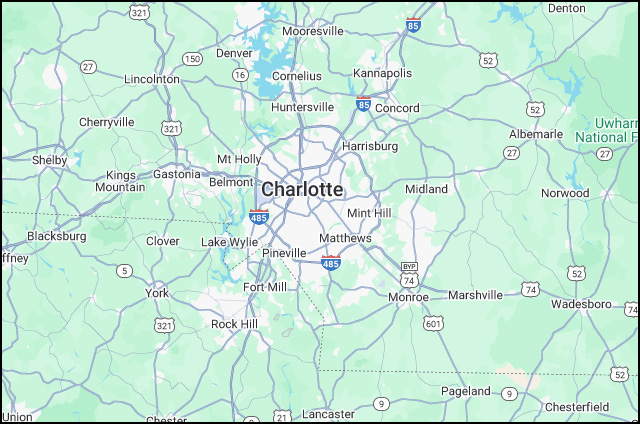
Serving Charlotte & Beyond
Proudly Serving Charlotte & All Surrounding Areas
 All Service Areas