
Why Is Water Coming Up Through My Shower Drain?
South End Plumbing Heating & Air Expert Tips
Why Is Water Coming Up Through My Shower Drain?
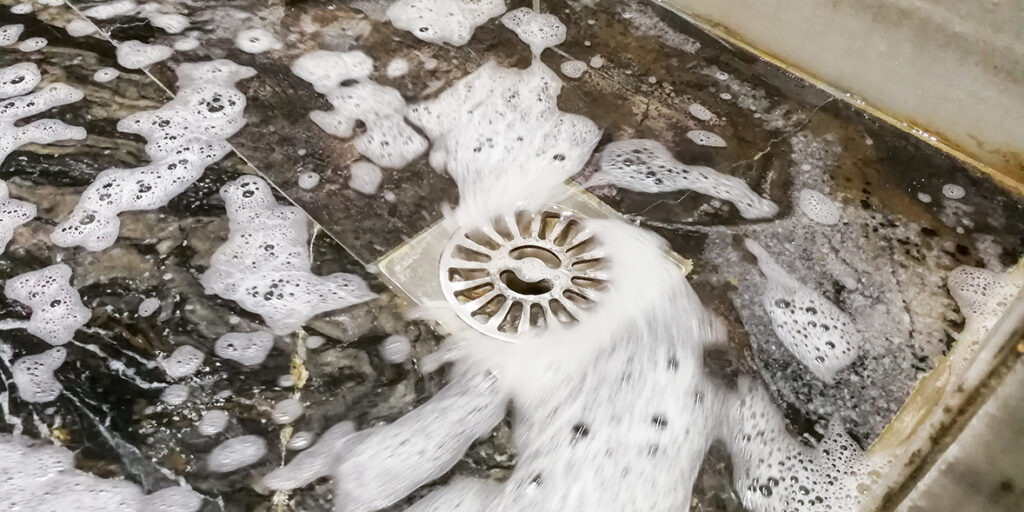
Seeing dirty water bubble up through your shower drain is more than just unpleasant—it’s a sign that something is wrong with your plumbing system. Whether it happens while running another fixture or seemingly out of nowhere, water backing up through a shower drain almost always points to a blockage or drainage problem that shouldn’t be ignored.
Below, we’ll break down why this happens, what it means, what you can safely do, and when it’s time to call a professional plumber.
What Does It Mean When Water Comes Up Through a Shower Drain?
When water comes up through your shower drain, it means wastewater can’t flow out of your home properly. Instead of moving downhill toward the sewer or septic system, the water is being forced backward and escaping through the lowest available opening—often the shower drain.
In most homes, the shower or tub drain sits lower than sinks and toilets, making it the first place you’ll notice a problem.
| What You’re Experiencing | Most Likely Cause |
|---|---|
| Water backs up when toilet is flushed | Main sewer line clog |
| Water comes up when washing machine drains | Partial drain blockage or undersized drain line |
| Slow shower draining before backup | Hair and soap buildup in branch drain |
| Gurgling sounds from shower or nearby drains | Drain clog or blocked vent pipe |
| Sewage smell coming from shower drain | Sewer line blockage or septic system issue |
| Water backs up in multiple fixtures | Main drain or sewer line problem |
The Most Common Causes of Shower Drain Backups
1. A Main Sewer Line Clog (Most Serious)
If water backs up into the shower when you:
- Flush the toilet
- Run the washing machine
- Use multiple fixtures at once
You’re likely dealing with a main sewer line clog.
Common causes include:
- Tree root intrusion
- Grease and sludge buildup
- Collapsed or cracked sewer pipes
- Flushed wipes, paper towels, or hygiene products
⚠️ Important: A main sewer issue will usually get worse quickly and can lead to sewage backing up into multiple drains.
2. Branch Drain Blockage
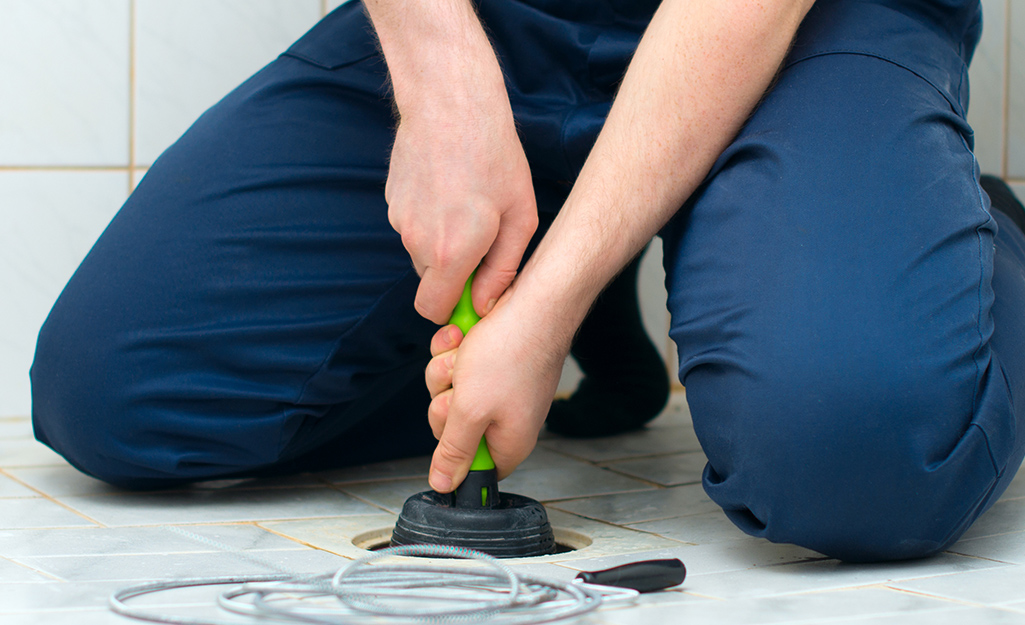
If the problem only affects the shower (or shower + nearby sink), the clog may be in a branch drain line rather than the main sewer.
Typical causes:
- Hair buildup
- Soap scum
- Mineral deposits
- Small foreign objects
These clogs usually develop slowly and may cause:
- Gurgling sounds
- Slow draining before backups occur
3. Washing Machine Discharge Overload
In many homes, the washing machine drains into the same line as the shower.
If water comes up through the shower drain only when the washer is running, the drain line may be:
- Partially clogged
- Undersized
- Improperly vented
Washing machines release water fast, which can overwhelm a compromised drain line.
4. Improper Venting
Your plumbing system relies on vent pipes to allow air in so water can flow freely.
If a vent is blocked (by debris, leaves, or even animal nests), it can cause:
- Slow draining
- Gurgling sounds
- Water backing up through the shower
While less common than clogs, venting issues can still cause serious drainage problems.
5. Septic System Issues (If Applicable)
If your home uses a septic system, water backing up through the shower drain could indicate:
- A full septic tank
- A clogged drain field
- System failure
This often comes with foul odors and affects multiple drains.
Warning Signs You Shouldn’t Ignore
If you notice any of the following, the problem is likely beyond a simple surface clog:
- Water backing up in multiple drains
- Gurgling sounds when using sinks or toilets
- Sewage odors coming from drains
- Water backing up when using appliances
- Recurring backups after DIY attempts
These symptoms often point to a main drain or sewer line problem.
What You Can Try (Safely) Before Calling a Plumber
✔ Check for visible hair or debris
Remove the drain cover and clear anything you can see.
✔ Use a plunger
Seal the overflow (if applicable) and plunge firmly to loosen minor blockages.
✔ Hot water flush (for soap buildup)
Pouring hot water may help with soap scum, but avoid boiling water on PVC pipes.
❌ Avoid chemical drain cleaners
They often don’t work on serious clogs and can damage pipes, seals, and fixtures.
❌ Do not keep using fixtures
Continuing to run water can make backups worse and increase cleanup damage.
When to Call a Professional Plumber
You should call a plumber immediately if:
- Water backs up when flushing the toilet
- Multiple drains are affected
- The problem keeps returning
- You smell sewage
- You suspect a sewer or septic issue
A professional plumber can:
- Perform a camera inspection
- Clear blockages safely with proper equipment
- Identify pipe damage or root intrusion
- Prevent sewage from backing up into your home
How to Prevent Shower Drain Backups in the Future
- Use hair catchers in showers and tubs
- Never flush wipes (even “flushable” ones)
- Avoid pouring grease or oils down drains
- Schedule periodic drain inspections if your home is older
- Address slow drains early—don’t wait for a backup
Preventive maintenance is far less expensive than repairing water or sewage damage.
Final Thoughts
Water coming up through your shower drain is not normal and is almost always a sign of a deeper drainage issue. While small clogs near the drain can sometimes be handled at home, recurring or widespread backups usually mean it’s time to bring in a professional.
Catching the problem early can help you avoid sewage damage, mold growth, and costly repairs—especially in homes with older plumbing or large trees nearby.
Seeing dirty water bubble up through your shower drain is more than just unpleasant—it’s a sign that something is wrong with your plumbing system. Whether it happens while running another fixture or seemingly out of nowhere, water backing up through a shower drain almost always points to a blockage or drainage problem that shouldn’t be ignored.
Below, we’ll break down why this happens, what it means, what you can safely do, and when it’s time to call a professional plumber.
What Does It Mean When Water Comes Up Through a Shower Drain?
When water comes up through your shower drain, it means wastewater can’t flow out of your home properly. Instead of moving downhill toward the sewer or septic system, the water is being forced backward and escaping through the lowest available opening—often the shower drain.
In most homes, the shower or tub drain sits lower than sinks and toilets, making it the first place you’ll notice a problem.
The Most Common Causes of Shower Drain Backups
1. A Main Sewer Line Clog (Most Serious)
If water backs up into the shower when you:
- Flush the toilet
- Run the washing machine
- Use multiple fixtures at once
You’re likely dealing with a main sewer line clog.
Common causes include:
- Tree root intrusion
- Grease and sludge buildup
- Collapsed or cracked sewer pipes
- Flushed wipes, paper towels, or hygiene products
⚠️ Important: A main sewer issue will usually get worse quickly and can lead to sewage backing up into multiple drains.
2. Branch Drain Blockage
If the problem only affects the shower (or shower + nearby sink), the clog may be in a branch drain line rather than the main sewer.
Typical causes:
- Hair buildup
- Soap scum
- Mineral deposits
- Small foreign objects
These clogs usually develop slowly and may cause:
- Gurgling sounds
- Slow draining before backups occur
3. Washing Machine Discharge Overload
In many homes, the washing machine drains into the same line as the shower.
If water comes up through the shower drain only when the washer is running, the drain line may be:
- Partially clogged
- Undersized
- Improperly vented
Washing machines release water fast, which can overwhelm a compromised drain line.
4. Improper Venting
Your plumbing system relies on vent pipes to allow air in so water can flow freely.
If a vent is blocked (by debris, leaves, or even animal nests), it can cause:
- Slow draining
- Gurgling sounds
- Water backing up through the shower
While less common than clogs, venting issues can still cause serious drainage problems.
5. Septic System Issues (If Applicable)
If your home uses a septic system, water backing up through the shower drain could indicate:
- A full septic tank
- A clogged drain field
- System failure
This often comes with foul odors and affects multiple drains.
Warning Signs You Shouldn’t Ignore
If you notice any of the following, the problem is likely beyond a simple surface clog:
- Water backing up in multiple drains
- Gurgling sounds when using sinks or toilets
- Sewage odors coming from drains
- Water backing up when using appliances
- Recurring backups after DIY attempts
These symptoms often point to a main drain or sewer line problem.
What You Can Try (Safely) Before Calling a Plumber
✔ Check for visible hair or debris
Remove the drain cover and clear anything you can see.
✔ Use a plunger
Seal the overflow (if applicable) and plunge firmly to loosen minor blockages.
✔ Hot water flush (for soap buildup)
Pouring hot water may help with soap scum, but avoid boiling water on PVC pipes.
❌ Avoid chemical drain cleaners
They often don’t work on serious clogs and can damage pipes, seals, and fixtures.
❌ Do not keep using fixtures
Continuing to run water can make backups worse and increase cleanup damage.
When to Call a Professional Plumber
You should call a plumber immediately if:
- Water backs up when flushing the toilet
- Multiple drains are affected
- The problem keeps returning
- You smell sewage
- You suspect a sewer or septic issue
A professional plumber can:
- Perform a camera inspection
- Clear blockages safely with proper equipment
- Identify pipe damage or root intrusion
- Prevent sewage from backing up into your home
How to Prevent Shower Drain Backups in the Future
- Use hair catchers in showers and tubs
- Never flush wipes (even “flushable” ones)
- Avoid pouring grease or oils down drains
- Schedule periodic drain inspections if your home is older
- Address slow drains early—don’t wait for a backup
Preventive maintenance is far less expensive than repairing water or sewage damage.
Final Thoughts
Water coming up through your shower drain is not normal and is almost always a sign of a deeper drainage issue. While small clogs near the drain can sometimes be handled at home, recurring or widespread backups usually mean it’s time to bring in a professional.
Catching the problem early can help you avoid sewage damage, mold growth, and costly repairs—especially in homes with older plumbing or large trees nearby.


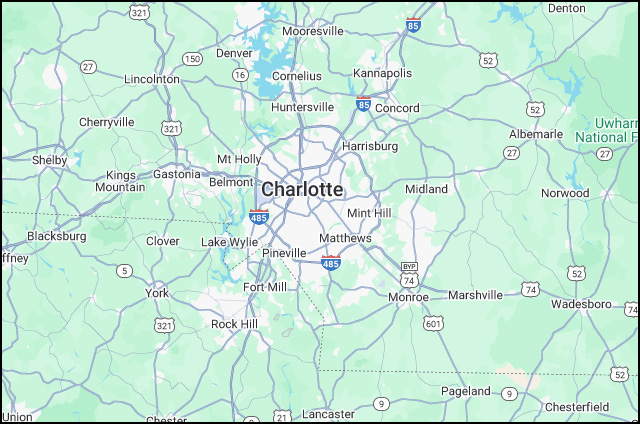
Serving Charlotte & Beyond
Proudly Serving Charlotte & All Surrounding Areas
 All Service Areas