
Why Does My Toilet Make a Hissing Sound After It Flushes?
South End Plumbing Heating & Air Expert Tips
Why Does My Toilet Make a Hissing Sound After It Flushes?
If your toilet hisses, whistles, or makes a continuous noise after flushing, it can be more than an annoying sound. This is usually a sign that something is not functioning correctly in the tank, often related to the fill valve, flapper, or water supply.
While a hissing toilet may seem minor, ignoring it can lead to wasted water, higher bills, and even potential leaks.
Why Toilets Hiss After Flushing
A toilet is designed to refill quietly after a flush. A hissing sound typically means:
- Water is continuing to flow into the tank after it should stop
- The tank isn’t filling or shutting off properly
- Pressure or valve issues are present
Even a subtle hiss can waste hundreds of gallons of water per month if left unresolved.
Common Causes of a Hissing Toilet
1. Faulty or Worn Fill Valve
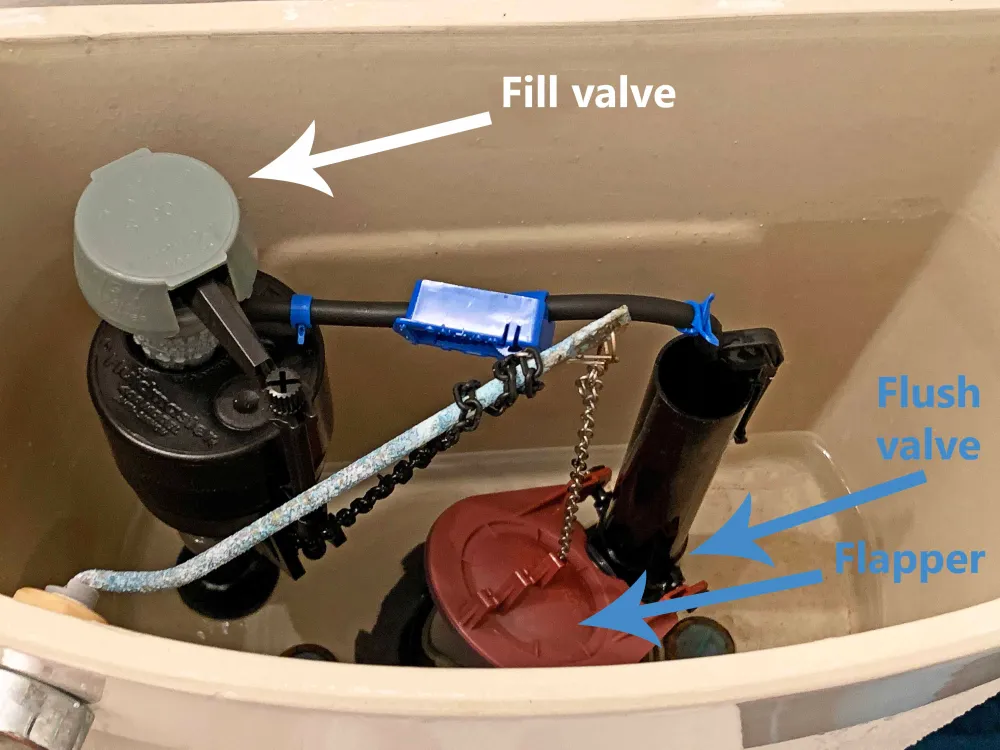
The fill valve controls water entering the tank. If it’s:
- Worn out
- Misaligned
- Partially clogged
It may allow water to flow continuously, producing a hissing or whistling sound.
2. Flapper Isn’t Sealing Properly
The flapper at the bottom of the tank creates a watertight seal for flushing. If the flapper:
- Doesn’t close completely
- Has warped over time
- Has debris preventing a tight seal
Water can leak into the bowl, causing the fill valve to keep running and creating the hissing sound.
3. High Water Pressure in the Supply Line
Too much water pressure can make the fill valve hiss as it refills the tank. This can also:
- Stress internal components
- Lead to leaks
- Cause excessive wear over time
A pressure regulator may be needed if your home’s water pressure is consistently high.
4. Partial Clogs or Sediment
Mineral buildup or debris in the fill valve or water line can restrict flow, causing a hissing sound as water forces its way through. This is common in older homes or areas with hard water.
5. Worn Internal Toilet Components
Other internal components like the overflow tube or flush valve seat may wear over time. If these parts aren’t functioning properly, water may continue running after a flush, producing hissing.
Toilet Hissing Troubleshooting Table
| What You Notice | Likely Cause | Why It Matters |
|---|---|---|
| Hissing continues until the tank is full | Fill valve issue | Waste of water and higher bills |
| Water trickles into the bowl constantly | Flapper not sealing | Can cause continuous fill and hissing |
| Whistling noise only during refill | High water pressure | Can damage fill valve and internal components |
| Hissing after tank refill | Sediment in valve | May reduce valve lifespan |
| Overflow tube splashing | Worn internal parts | Risk of leaks and overflows |
| Noise stops when water is shut off | Supply line issue | Indicates valve or pressure problem |
Is a Hissing Toilet Safe to Ignore?
No — even if it seems minor. A hissing toilet can:
- Waste hundreds of gallons of water per month
- Increase your water bill
- Cause premature wear on internal parts
- Lead to leaks if components fail
Fixing the issue early can save water, money, and prevent damage.
When to Call a Professional Plumber
You should contact a plumber if:
- The hissing continues after simple adjustments
- You’ve replaced the flapper and the noise persists
- Water pressure may be too high
- You notice leaks around the tank or bowl
A professional can inspect the fill valve, flapper, and water supply, and ensure the toilet is operating quietly and efficiently.
Final Thoughts
A toilet that hisses after flushing is usually a sign that something inside the tank isn’t working properly. While some issues can be minor, persistent hissing wastes water and can lead to bigger problems.
If your toilet keeps hissing and you want it diagnosed and fixed correctly, call South End Plumbing Heating & Air at (704) 741-8714 to schedule professional service.




Serving Charlotte & Beyond
Proudly Serving Charlotte & All Surrounding Areas
 All Service Areas